
Rebar and Concrete Scanning (GPR) in Saudi Arabia
GPR scanning of slabs, walls and columns to locate rebar, post-tension tendons and conduits before you core, cut or drill.
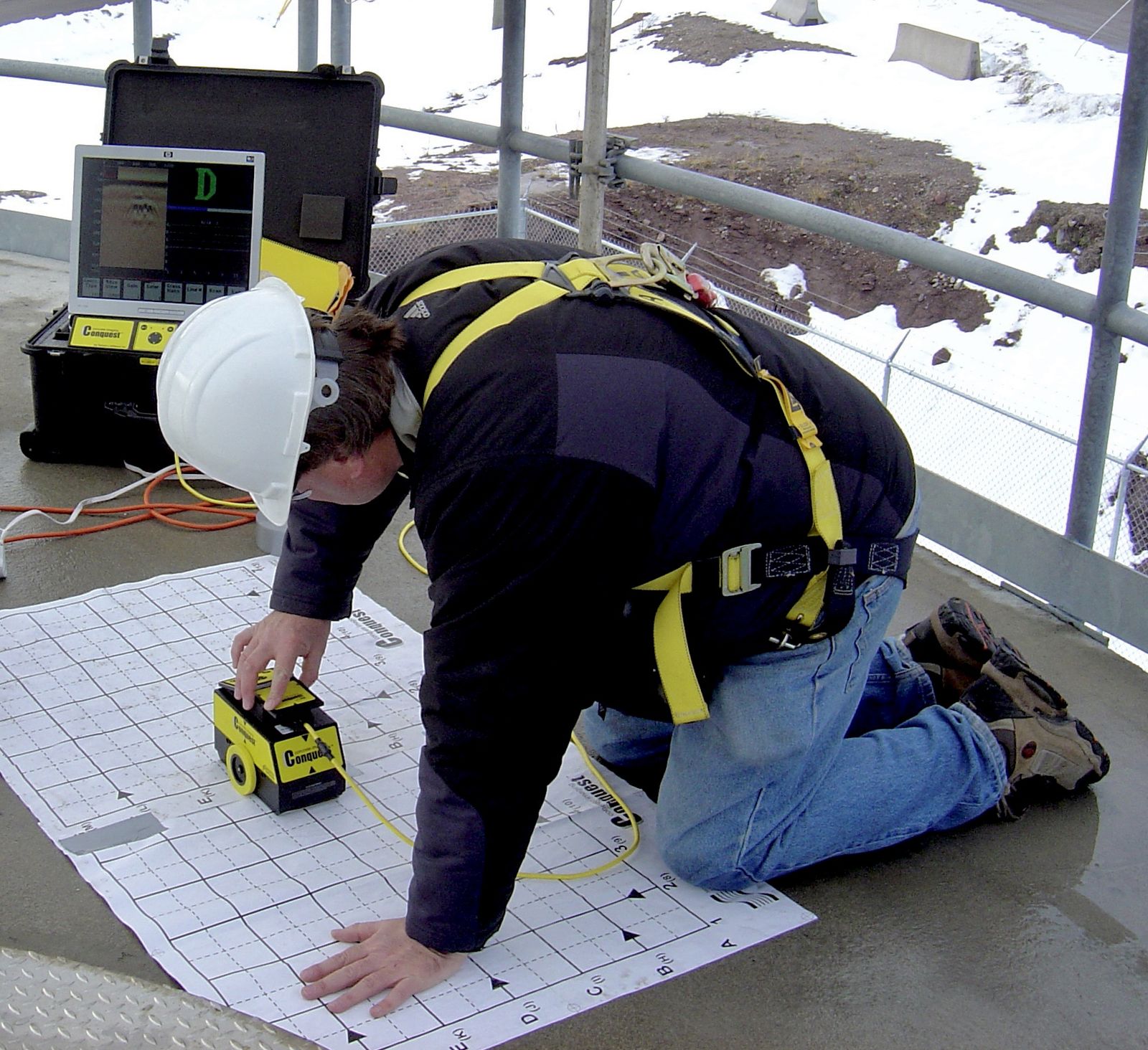
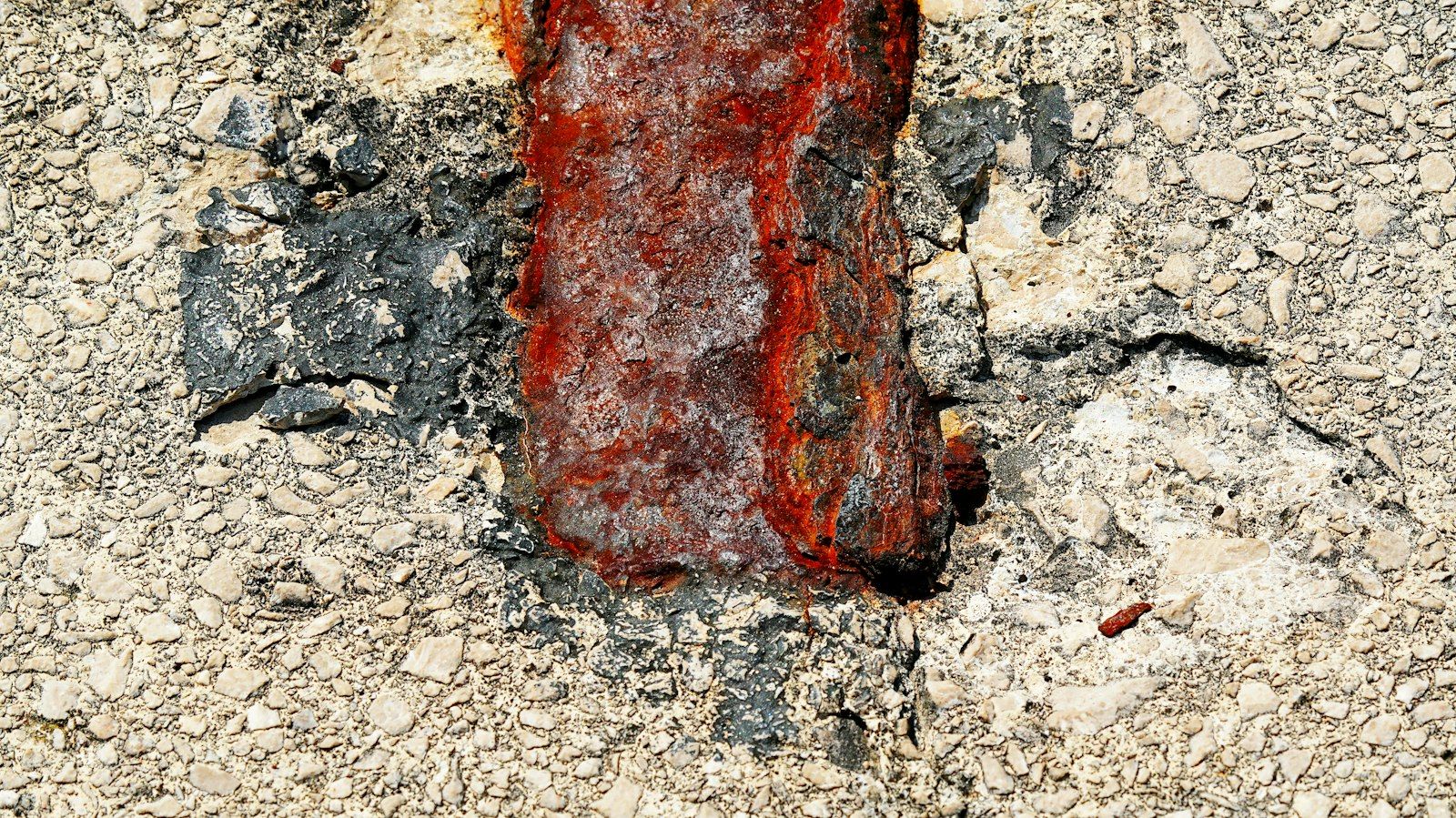
Cutting through a reinforcing bar, post-tension tendon or live conduit while coring or drilling can weaken a structure, damage services and put workers at risk. Rebar scanning with ground penetrating radar shows what lies inside a slab, wall or column before you cut. EarthScape Technologies provides rebar and concrete scanning across Saudi Arabia (KSA), including Riyadh, Jeddah, Dammam, Makkah and Madinah, from our office in Riyadh.
What Is GPR Concrete Scanning?
Ground penetrating radar sends short pulses of high-frequency radio energy into the concrete. When the pulses meet materials with different electrical properties, such as steel bars, conduits, voids or the back of the slab, part of the energy reflects to the antenna. Steel produces strong, characteristic reflections, so reinforcement and embedded metal are usually easy to identify.
Scanning is completely non-destructive. It needs access to only one side of the element, and results can be reviewed on site in real time and processed later for reporting.
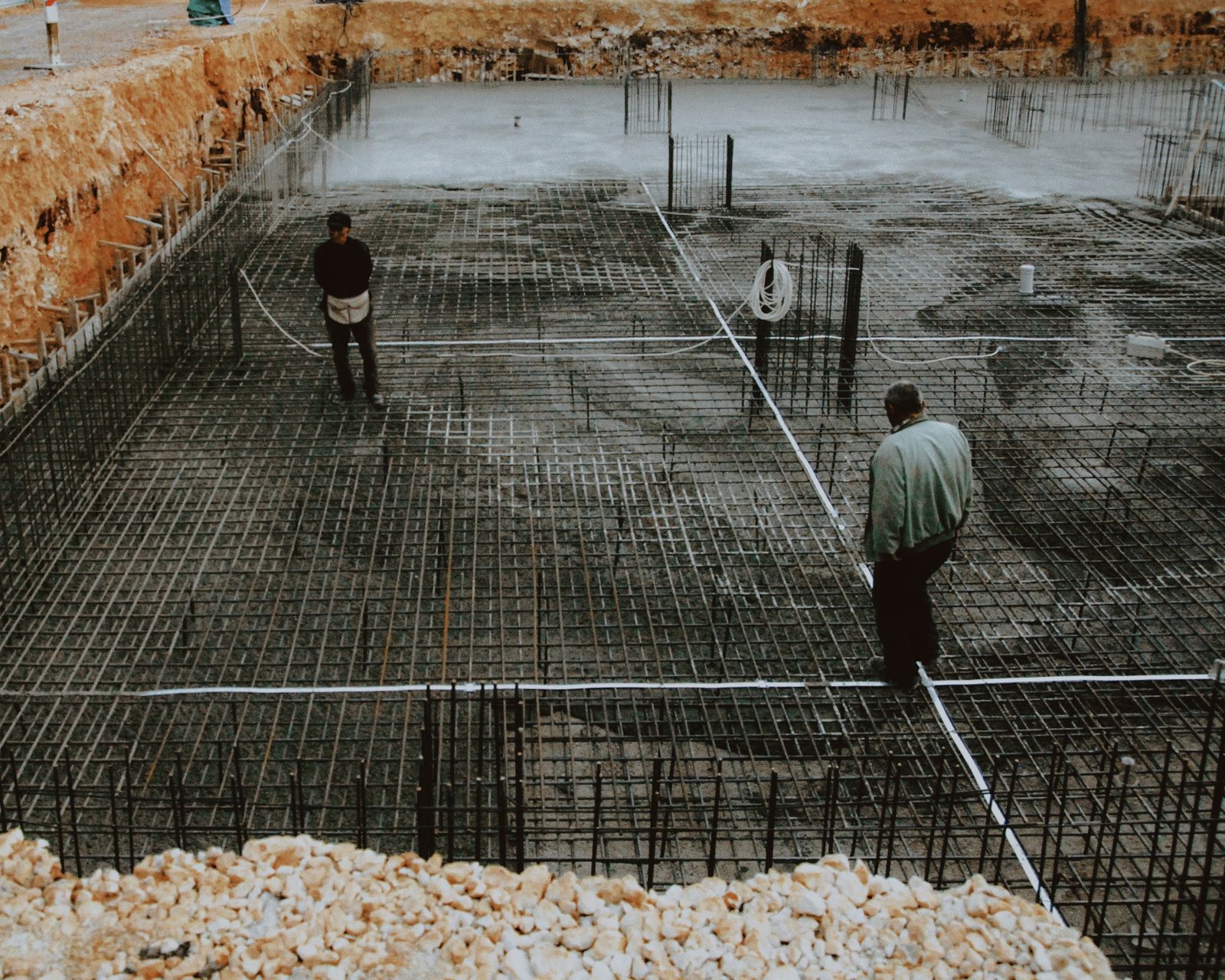
Our Method and Equipment
When Do You Need Rebar and Concrete Scanning?
- Before core drilling, saw cutting, chasing or anchor installation
- To locate post-tension cables and beams in slabs before penetrations
- To find embedded conduits and pipes in floors and walls
- To check reinforcement spacing and estimate concrete cover
- To estimate slab thickness and identify possible voids
- For structural assessment, renovation and change-of-use projects
Combining Concrete Scanning with Other Services
For larger projects, concrete scanning can be combined with a GPR survey for buried utilities below slabs and pavements, and with 3D laser scanning for full as-built records. It is one of our non-destructive surveys for existing structures.
Deliverables
- On-site marking of rebar, tendons, beams and conduits, with safe coring or cutting positions where agreed
- Estimated depth of cover to detected elements
- Bar spacing and layout where they can be resolved
- Estimated slab thickness where the back reflection is visible
- A written report with photographs, scan locations and limitations
- CAD drawings of findings in AutoCAD on request
Accuracy and Limitations
GPR depths in concrete are estimates based on the signal velocity, which varies with moisture and mix. Closely spaced bars, multiple reinforcement layers and wet or very young concrete can mask deeper elements. Non-metallic items give weaker reflections than steel. We explain these limits in the report and recommend safe zones with a margin around detected elements.
Preparation
We review available drawings and agree the areas to scan and the information you need, such as safe coring positions or a full reinforcement layout.
Scanning
Our team uses GSSI GPR equipment with antennas suited to concrete inspection. We mark a reference grid on the surface and collect data in two directions so bars, tendons and conduits can be traced accurately.
Marking
Findings are marked directly on the concrete with clear symbols, so your coring or cutting team can work around them immediately.
Processing and Reporting
Where a full record is required, our data analysts process the scans to produce plan views and depth slices, and our CAD team draws the findings.
Experienced GPR Team
Marked On Site, Ready to Cut
5+ Years, 100+ Projects
Nationwide, Riyadh-Based
Why Choose EarthScape?
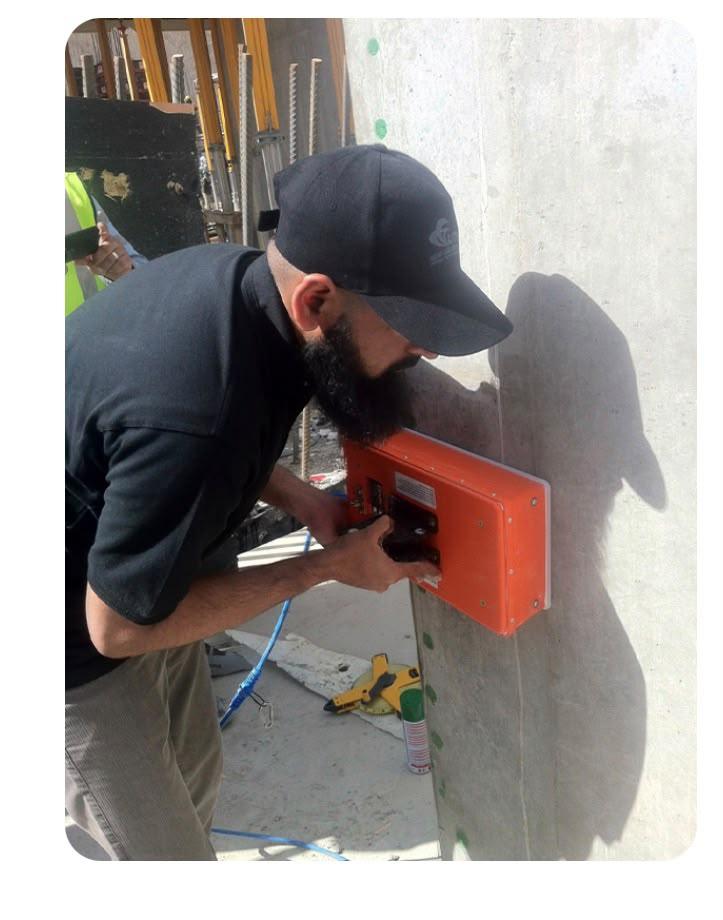
Concrete Scanning and Indoor GPR Projects
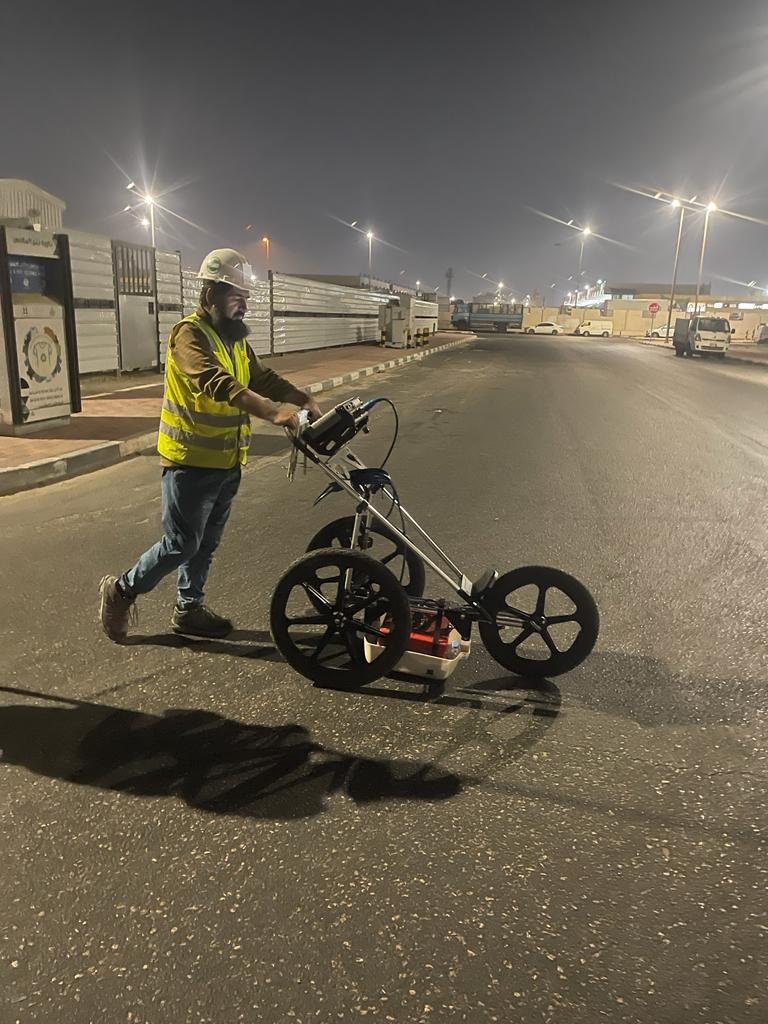
Handheld GPR scanning of walls and slabs to find rebar and conduits before coring, plus GPR surveys inside operating plants and facilities.
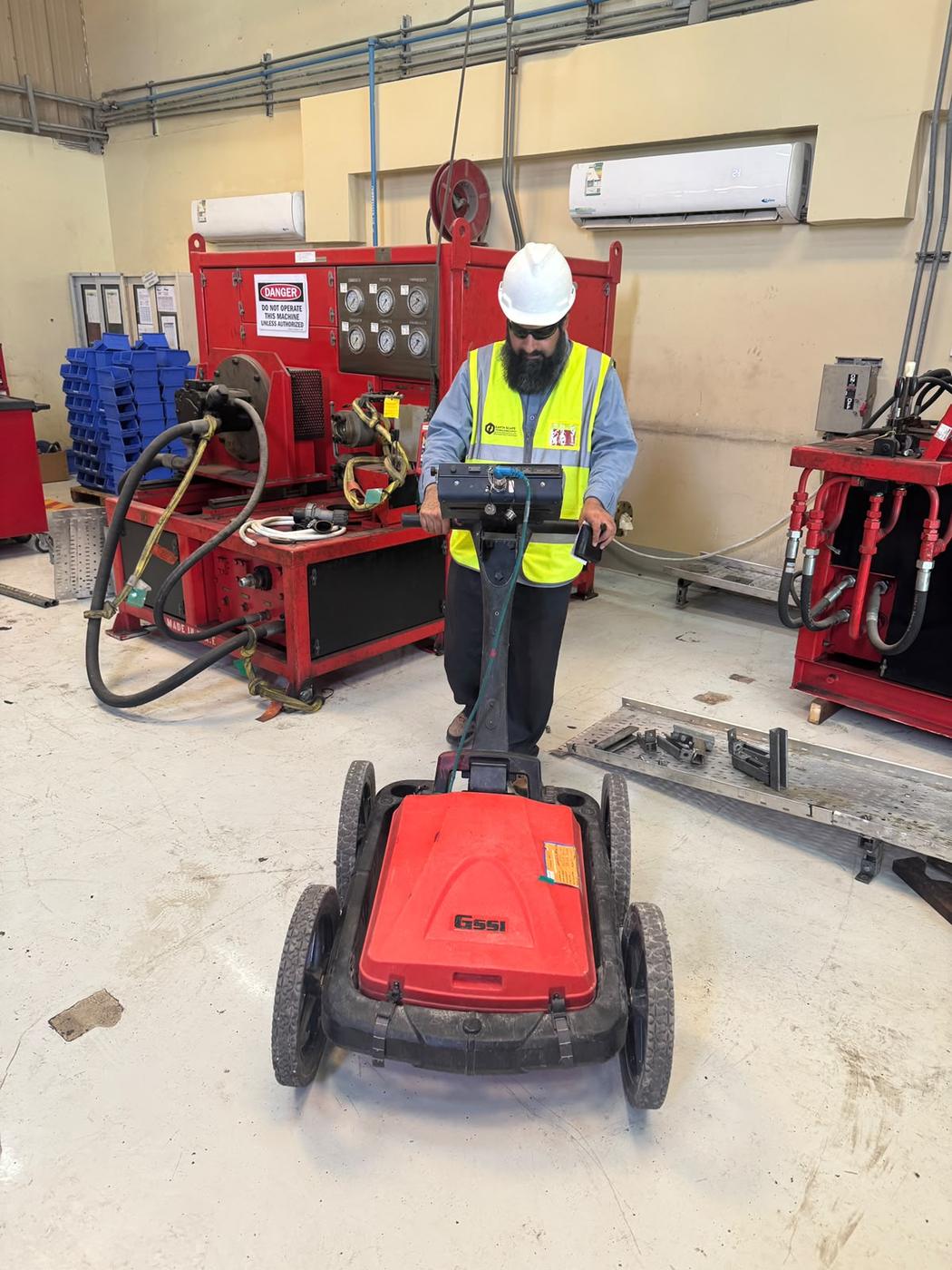
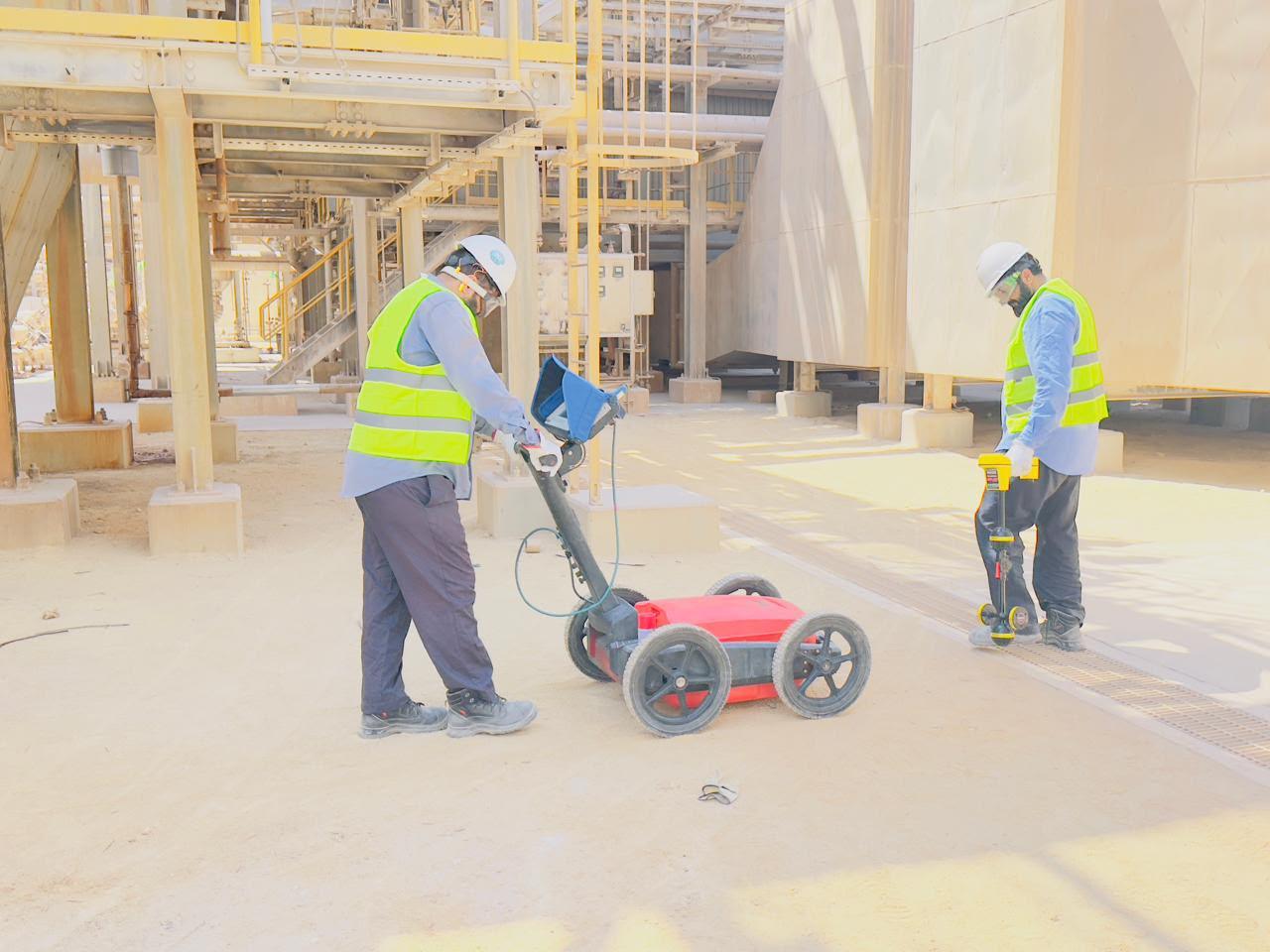
See more field photos in our survey project portfolio.
Sectors We Serve
We support construction, energy, mining and environmental clients, including contractors, MEP installers, structural engineers and facility managers. Our team has worked on projects ranging from international airports to residential buildings.
Frequently Asked Questions
Can GPR find post-tension cables in a slab?
Yes, in most cases. Post-tension tendons usually give clear reflections, and we scan in two directions to trace them before marking safe positions for coring or drilling.
Is concrete scanning safe?
Yes. GPR uses low-power radio pulses, has no radiation risk and does not damage the concrete. It needs access to only one side of the element.
How deep can GPR scan into concrete?
It depends on the antenna, the concrete and the reinforcement density. Typical slabs and walls can be scanned through their working depth, but dense reinforcement and moisture reduce penetration. We confirm what was achieved in the report.
Do you mark findings on site?
Yes. Rebar, tendons, beams and conduits are marked directly on the surface so your team can drill or cut immediately.
Do you scan concrete outside Riyadh?
Yes. We provide rebar and concrete scanning across all regions of Saudi Arabia (KSA) from our Riyadh office.
Request a Concrete Scanning Quote
Tell us about your site, the scope and any drawings you have, and our team will reply with a proposal. We serve projects across Saudi Arabia (KSA) from our office in Riyadh.
- Phone: +966 55 679 8661
- Phone: +966 53 875 9468
- Phone: +966 58 288 4362
- Email: info@earthscapesurvey.com